Tennessee forests have and are being impacted by conversion to agricultural lands, agricultural land management practices such as burning, nonnative forest and plant pest, man-made alterations in hydrology, climatic change, and urban sprawl. These impacts have diminished populations of different trees and shrubs, particularly smaller species, e.g., American plum in western Tennessee, although not to the extent that they are on the State List of Rare Plants. Seed orchards, primarily clonal, have been initiated in the following species for ex situ conservation of genetic resources and to provide seed for the East Tennessee State Nursery.
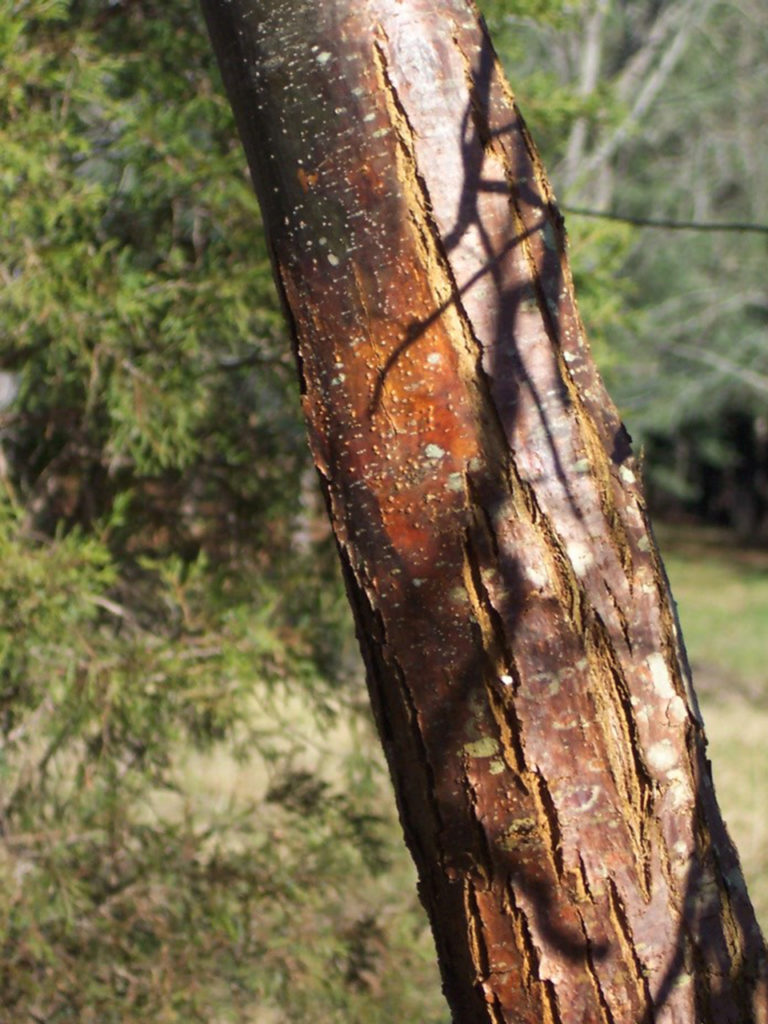
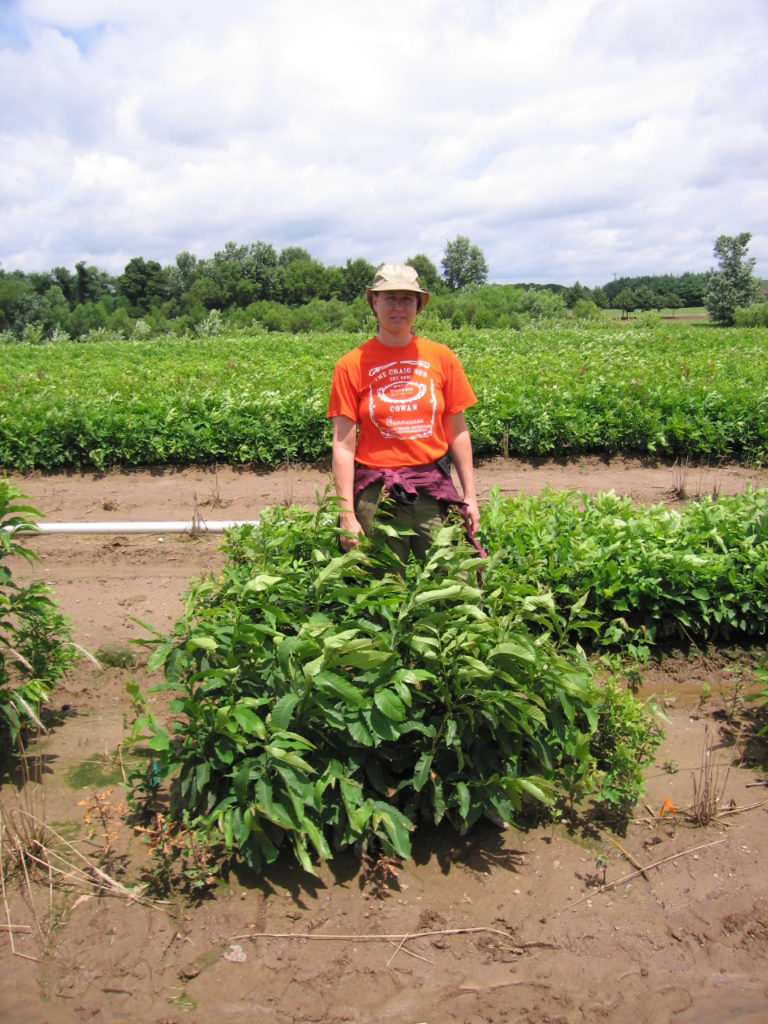
American chestnut [Castanea dentata (Marsh.) Borkh., State rank: S2S3.
July 2009
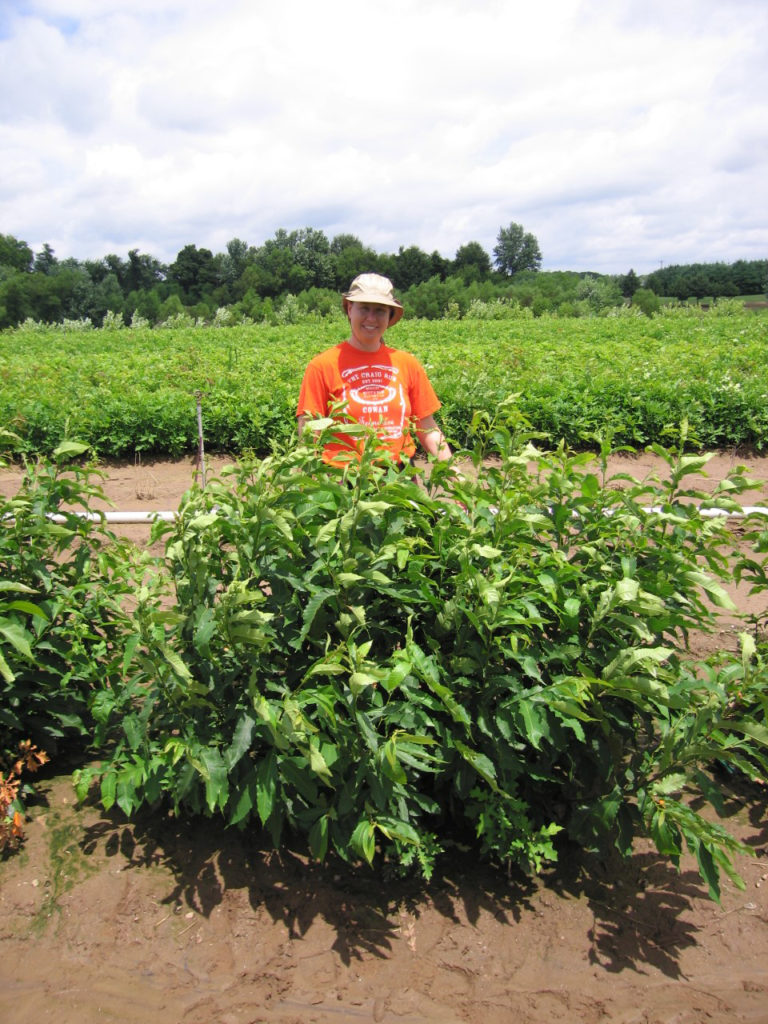
Once a dominant species in eastern forests, the American chestnut nearly disappeared after two nonnative diseases, chestnut blight [Cryphonectria parasitica (Murrill) M. E. Barr] and Phytophthora root rot (Phytophthora cinnamomi Rands), wiped out mature trees from the forest canopy. Both directors of the TN-TIP have contributed to American chestnut restoration efforts. Professor Thor studied blight resistance in surviving pure American chestnut trees (not just sprouts) and worked to develop blight-resistant individuals without introducing genes from nonnative chestnut species. Professor Schlarbaum and collaborators evaluated the 1930s Asian Chestnut Climatic Tests and hybrid chestnut plantings established during the 1940s and 1950s.
More recently, TN-TIP has supported field research led by Drs. Stacy L. Clark and Cornelia C. Pinchot of the USDA Forest Service, continuing the effort to restore this iconic tree to its native range.
Butternut (Juglans cinerea L.), State rank: 3.
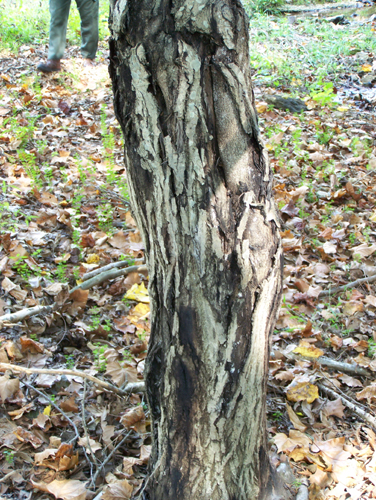
In Tennessee, butternut naturally occurs in the middle and eastern regions of the state. Once fairly common, butternut populations have been greatly reduced by butternut canker disease [causal agent: Ophiognomonia clavigignenti-juglandacearum (Nair, Kostichka, & Kuntz) Broders & Boland]. Unfortunately, the species also is susceptible to Thousand Cankers Disease (causal agent: [Geosmithia morbida (M. Kolařík, Freeland, C. Utley & Tisserat)]. TN-TIP has conducted research on this species for the last 30 years and established a genetic conservation planting at the Jack Daniel Distillery, which will be converted to a seed orchard after reproductive maturation.
Eastern hemlock [Tsuga canadensis (L.) Carrière]
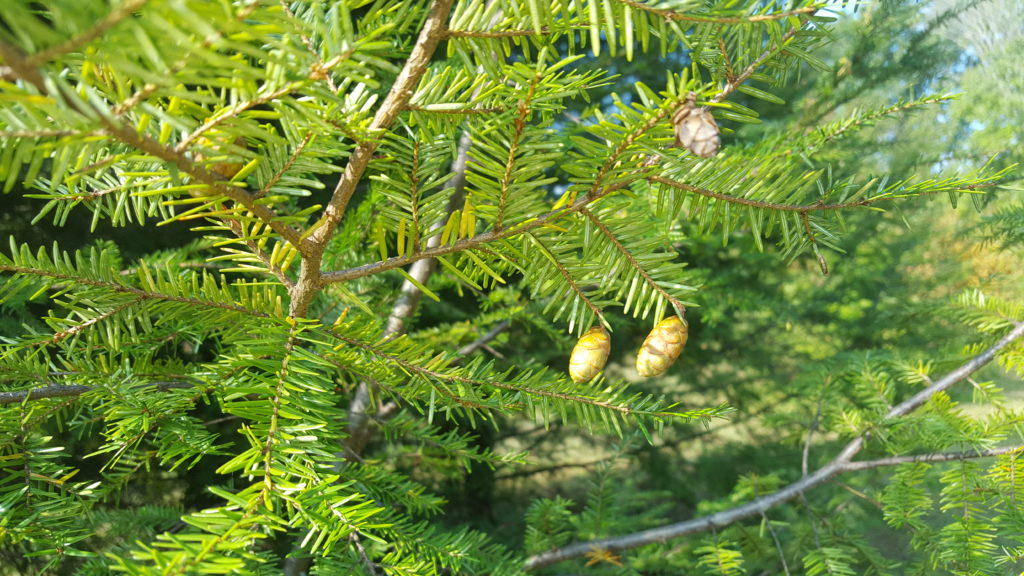
Use this citation: Mains, A., & Schlarbaum, S.E. (2024, April 24). Ensuring Eastern Hemlock in the Future of Tennessee Forests [Video]. YouTube. https://www.youtube.com/watch?v=4IPmJJYLFXQ
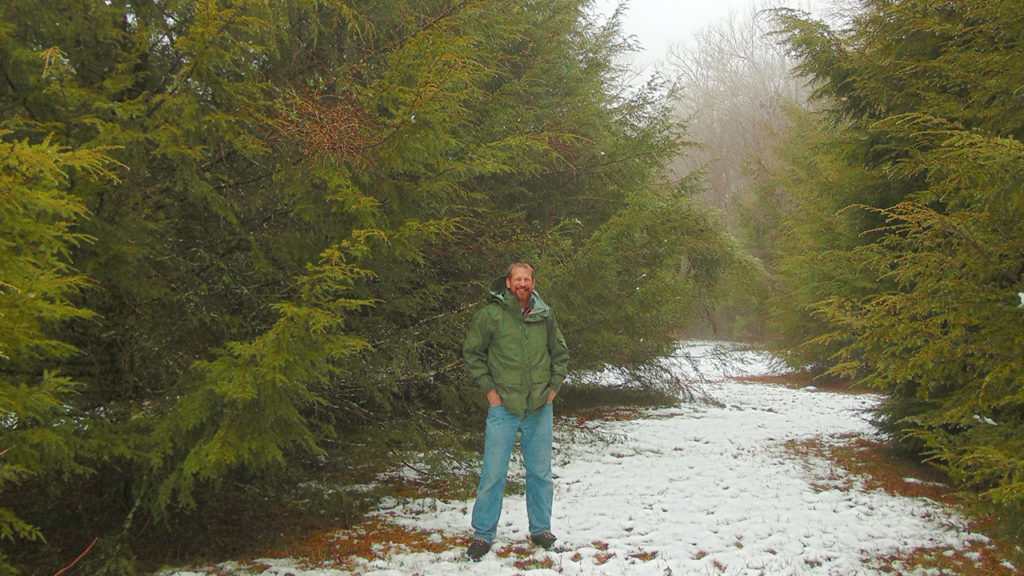
The Eastern hemlock remains relatively common in the eastern third of Tennessee. However, its populations are being steadily decimated by the nonnative hemlock woolly adelgid (Adelges tsugae Annand). In 1995, the TN-TIP launched efforts to conserve the genetic resources of T. canadensis populations in the southern Appalachian Mountains and across Tennessee, with the long-term goal of developing seed orchards for restoration. These orchards will provide locally adapted seed for replanting once an effective method is found to control or mitigate the impacts of A. tsugae. Today, a mature seed orchard serving the southern Appalachian region grows at the Cumberland Forest, Forest Research AgResearch and Education Center near Wartburg, Tennessee. A younger orchard, established with hemlock clones from multiple Tennessee counties, is located on the TVA Norris Reservation, where it will support restoration efforts in the Cumberland Mountains and northeastern Tennessee.
Native Crab Apple Species
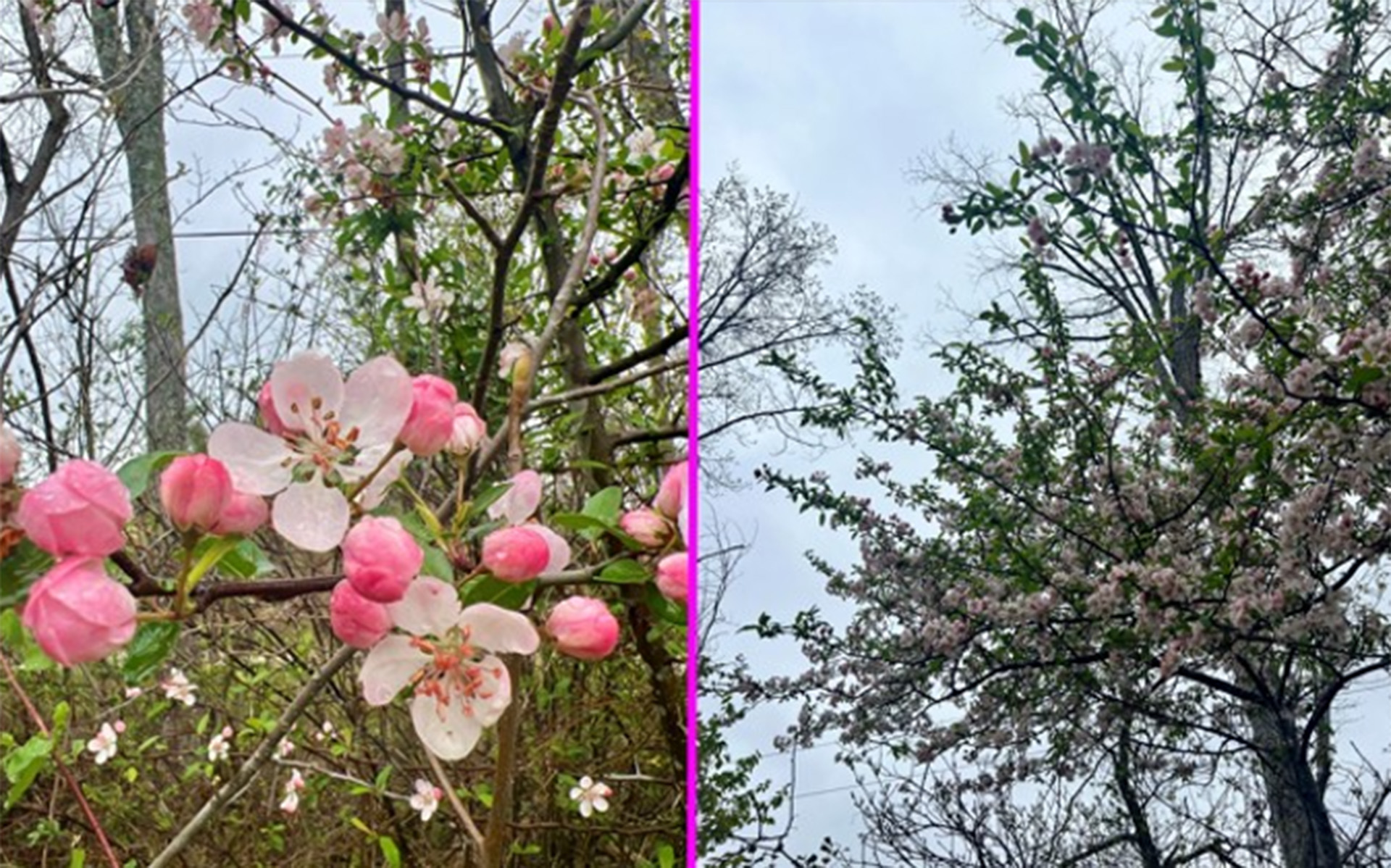
Most people recognize flowering crabapples as ornamental trees found in parks and neighborhoods. However, those trees are typically commercial varieties of nonnative crabapple species. Tennessee is home to three native crabapple species: the Southern crab apple [Malus angustifolia (Aiton) Michx.)], Sweet crab apple [M. coronaria (L.) Mill.], and Prairie crab apple [Malus ioensis (Alph. Wood) Britton]. Recent intensive surveys over the past two years have revealed that these native species have become increasingly rare, likely due to changes in land management practices, particularly the decline of agricultural burning.
To help reverse this trend, efforts are now underway to clonally propagate these species and establish seed orchards. These orchards will help conserve the trees’ genetic diversity and provide seeds for the Tennessee State Nursery, supporting restoration, reforestation, and habitat enrichment projects across the state.
West Tennessee Wild Plum Species
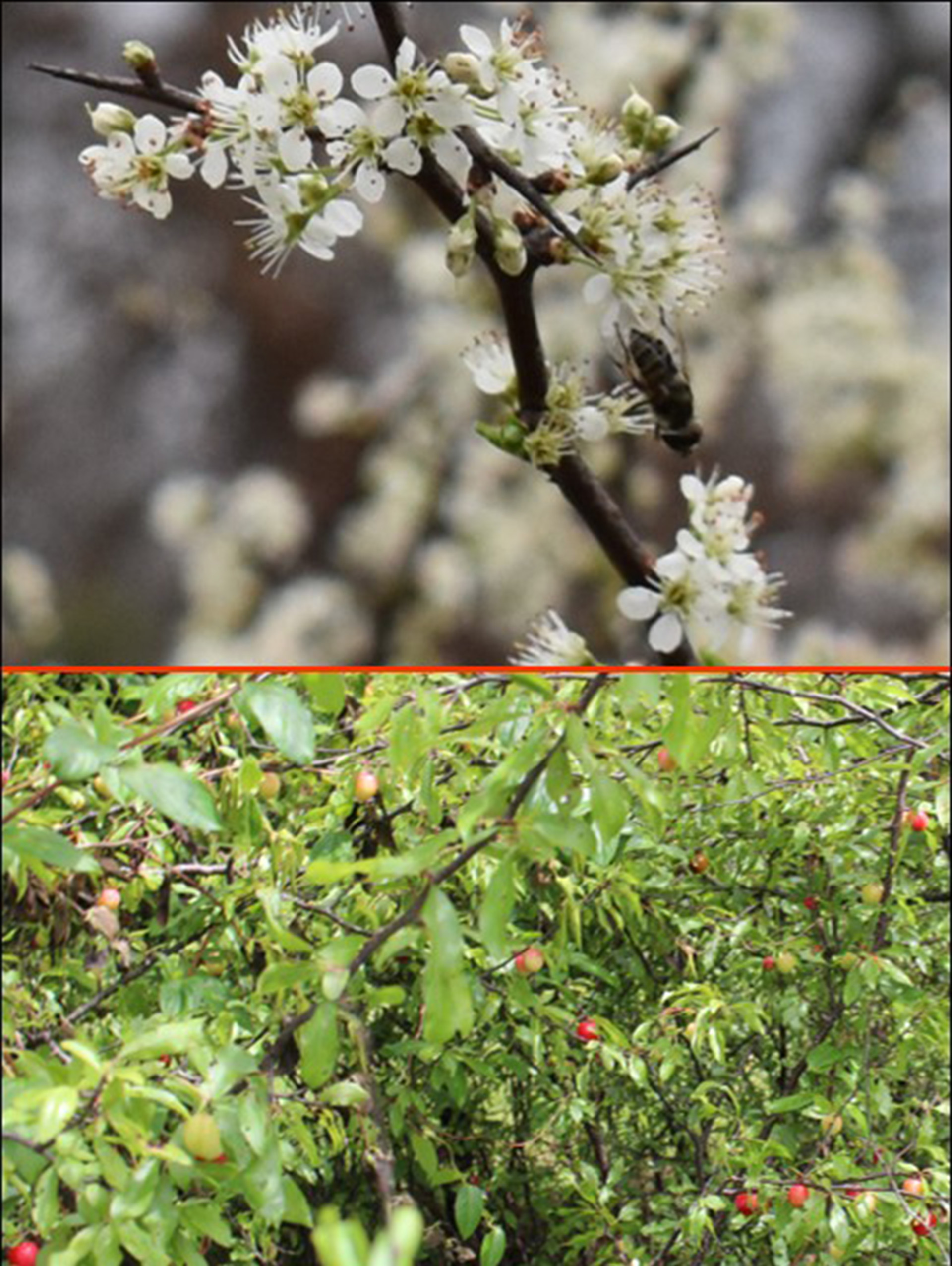
Over 25 years ago, a conversation between Scott Schlarbaum and Jim Byford, then Dean of Agriculture at University of Tennessee at Martin, sparked a long-term conservation effort. The two reflected on how rare wild plums had become in West Tennessee. Follow-up conversations with biologists from the Tennessee Wildlife Resources Agency confirmed their suspicions that wild plums, once a common sight, were disappearing from the landscape.
Since then, TN-TIP and its partners, particularly the Natural Resources Conservation Service and American Forests, have worked to locate and preserve wild plum populations in seed orchards across Tennessee. To establish these orchards, TN-TIP crews documented wild plum populations and obtained permission to collect cuttings from accessible trees. The collected material was propagated in TN-TIP greenhouses and planted. As the orchards mature, seeds will be collected and sent to the East Tennessee State Nursery, where they will be grown into diverse, locally adapted and pedigreed seedlings for land managers and landowners to use in small and large restoration efforts of all scales across Tennessee.
Two Chickasaw plum orchard are located at the Margaret Finley Shackelford Orchards of the UT Ames AgResearch and Education Center at Ames (Ames REC) in West Tennessee. A wild goose plum orchard is planted at the UT Forest Resources REC, Highland Rim Forest near Tullahoma in Middle Tennessee. An American plum orchard is also established at the Erwin National Fish Hatchery in East Tennessee.